

The Theban Tomb TT100 is located in Sheikh Abd el-Qurna, part of the Theban Necropolis, on the west bank of the Nile, opposite Luxor. It is the mortuary chapel of the ancient Egyptian vizier Rekhmire. There is no burial chamber next to this chapel. The vizier’s tomb is elsewhere, perhaps even in the Valley of the Kings.
In ancient Kemet, the 18th dynasty was characterized by exceptional peace and artistic advancement. After driving out the Asian invaders from the Delta region and bringing an end to the second intermittent period—a time of instability and political disintegration—Kemet was once again united thanks to Kamose of the 17th Dynasty.
“I sailed north to my victory to drive back the ASIATICS, my courageous Army in front of me like a flame of fire, with the Bowmen of the Medjay (Nubians) upland of our encampment ready to seek out the Asiatics.”
– Stela of King Kamose, 17th Dynasty
Kemet entered the 18th Dynasty following the unification of Upper and Lower Kemet, the expulsion of foreign invaders, and the restoration of law and order by the Pharaonic Kings of the South. Kemet also ruled over the greatest Empire in history during this Dynasty, governing areas ranging from Syria to Kenya. This is also the Dynasty where Kemet reigned over the largest Empire in its history, with regions under their control from Kenya to Syria.
During the New Kingdom era of ancient Kemet, Thutmose III, also referred to as Thutmose the Great, ruled from approximately 1479 BCE to 1425 BCE, expanding Kemet’s borders beyond anything seen in Nile Valley history. Being a brilliant military tactician, Thutmose III led multiple conquests that expanded the Kemetic domain, including those in Canaan, Nubia, and Syria. Through his victories, he was able to give Kemet authority over enormous areas and establish Kemet as the leading nation in the ancient Near East. Thutmose III’s reign is often considered one of the most successful and influential periods in ancient Kemetic history.
Rekhmire served as a vizier under Tuthmose III and Amenhotep II. He had a position among the senior civil officials in the region and was in charge of overseeing the administration of Upper Kemet region. In addition, he served as the mayor of the ancient city of Waset, known to the Greeks as Thebes and modern Egyptians as Luxor.
Waset, which translates to “City of the Sceptre,” was the city where the Great Temple of Nsut Towi was constructed. Nsut Towi translates to “Thone of Two Lands” and is known as the Temple of Karnak today by modern Egyptians. It served as the capital of the New Kingdom, which was a period of great power and wealth for Kemet. Waset was located on the eastern bank of the tier (Nile) and was the location of the Wasestian Tombs, falsely called the Theban Tombs, which over the years was pillaged and plundered by the Sais Chieftains of the Detla, Greeks, Romans, Assyrians, and Arabs. It is a wonder that anything survived, although roughly 99% of the statutes from the Wasetian Tombs have been vandalized, with the noses of almost every state found being smashed. The act of smashing noses is referred to as “iconoclasm,” and it was carried out by early racist Egyptologists. One example of this is the statue of the Kushite princess Amenirdis I, whose nose was damaged and vandalized after it was discovered and kept by Egyptologists.

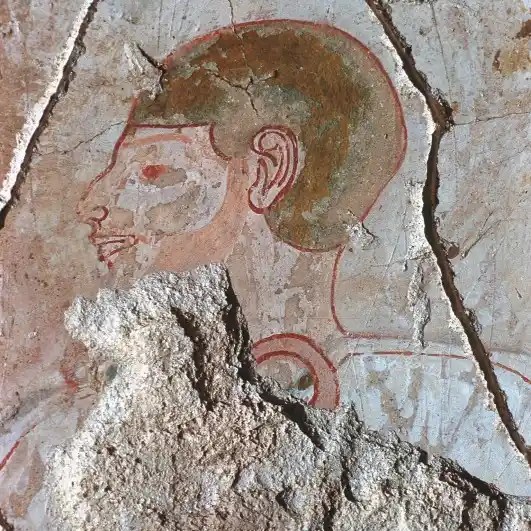
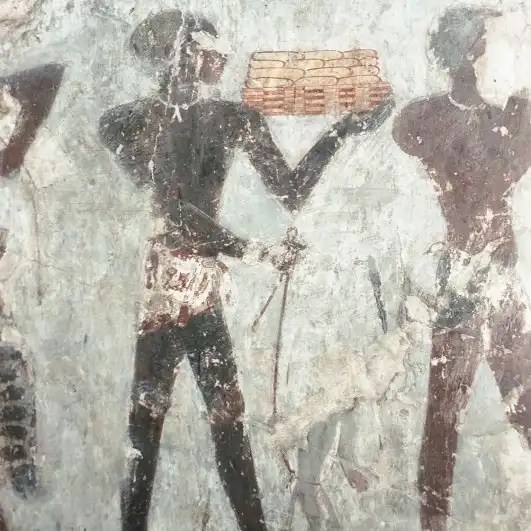

Disclosure: This post contains affiliate links. If you buy through them, I may earn a small commission—at no extra cost to you. Thanks for supporting the site!

A Concise History of the Arabs
$9.60 (as of March 24, 2026 05:12 GMT +00:00 - More infoProduct prices and availability are accurate as of the date/time indicated and are subject to change. Any price and availability information displayed on [relevant Amazon Site(s), as applicable] at the time of purchase will apply to the purchase of this product.)
The Battle of El Alamein: A Captivating Guide to the Pivotal World War II Battle That Turned the Tide in North Africa (The Second World War)
$4.99 (as of March 24, 2026 05:12 GMT +00:00 - More infoProduct prices and availability are accurate as of the date/time indicated and are subject to change. Any price and availability information displayed on [relevant Amazon Site(s), as applicable] at the time of purchase will apply to the purchase of this product.)
STOLEN LEGACY: Complete and Unabridged
$5.99 (as of March 24, 2026 05:12 GMT +00:00 - More infoProduct prices and availability are accurate as of the date/time indicated and are subject to change. Any price and availability information displayed on [relevant Amazon Site(s), as applicable] at the time of purchase will apply to the purchase of this product.)
The Arabs: A History
$15.99 (as of March 24, 2026 05:12 GMT +00:00 - More infoProduct prices and availability are accurate as of the date/time indicated and are subject to change. Any price and availability information displayed on [relevant Amazon Site(s), as applicable] at the time of purchase will apply to the purchase of this product.)
The Story of the Moors in Spain: A History of the Moorish Empire in Europe; their Conquest, Book of Laws and Code of Rites
$7.23 (as of March 24, 2026 05:12 GMT +00:00 - More infoProduct prices and availability are accurate as of the date/time indicated and are subject to change. Any price and availability information displayed on [relevant Amazon Site(s), as applicable] at the time of purchase will apply to the purchase of this product.)
White Gold
$11.29 (as of March 24, 2026 05:12 GMT +00:00 - More infoProduct prices and availability are accurate as of the date/time indicated and are subject to change. Any price and availability information displayed on [relevant Amazon Site(s), as applicable] at the time of purchase will apply to the purchase of this product.)
The Great Sea: A Human History of the Mediterranean
$29.51 (as of March 24, 2026 05:12 GMT +00:00 - More infoProduct prices and availability are accurate as of the date/time indicated and are subject to change. Any price and availability information displayed on [relevant Amazon Site(s), as applicable] at the time of purchase will apply to the purchase of this product.)
Rommel's Afrika Korps in Colour: Rare German Photographs from the Second World War
$2.99 (as of March 24, 2026 05:12 GMT +00:00 - More infoProduct prices and availability are accurate as of the date/time indicated and are subject to change. Any price and availability information displayed on [relevant Amazon Site(s), as applicable] at the time of purchase will apply to the purchase of this product.)
Sex, France, and Arab Men, 1962–1979
$35.70 (as of March 24, 2026 05:12 GMT +00:00 - More infoProduct prices and availability are accurate as of the date/time indicated and are subject to change. Any price and availability information displayed on [relevant Amazon Site(s), as applicable] at the time of purchase will apply to the purchase of this product.)